by.png)
$230,000

Extract structured data from hundreds of documents at the same time.
Compliance, contracts, and beyond.
Extract structured data from hundreds of documents at the same time.
Compliance, contracts, and beyond.
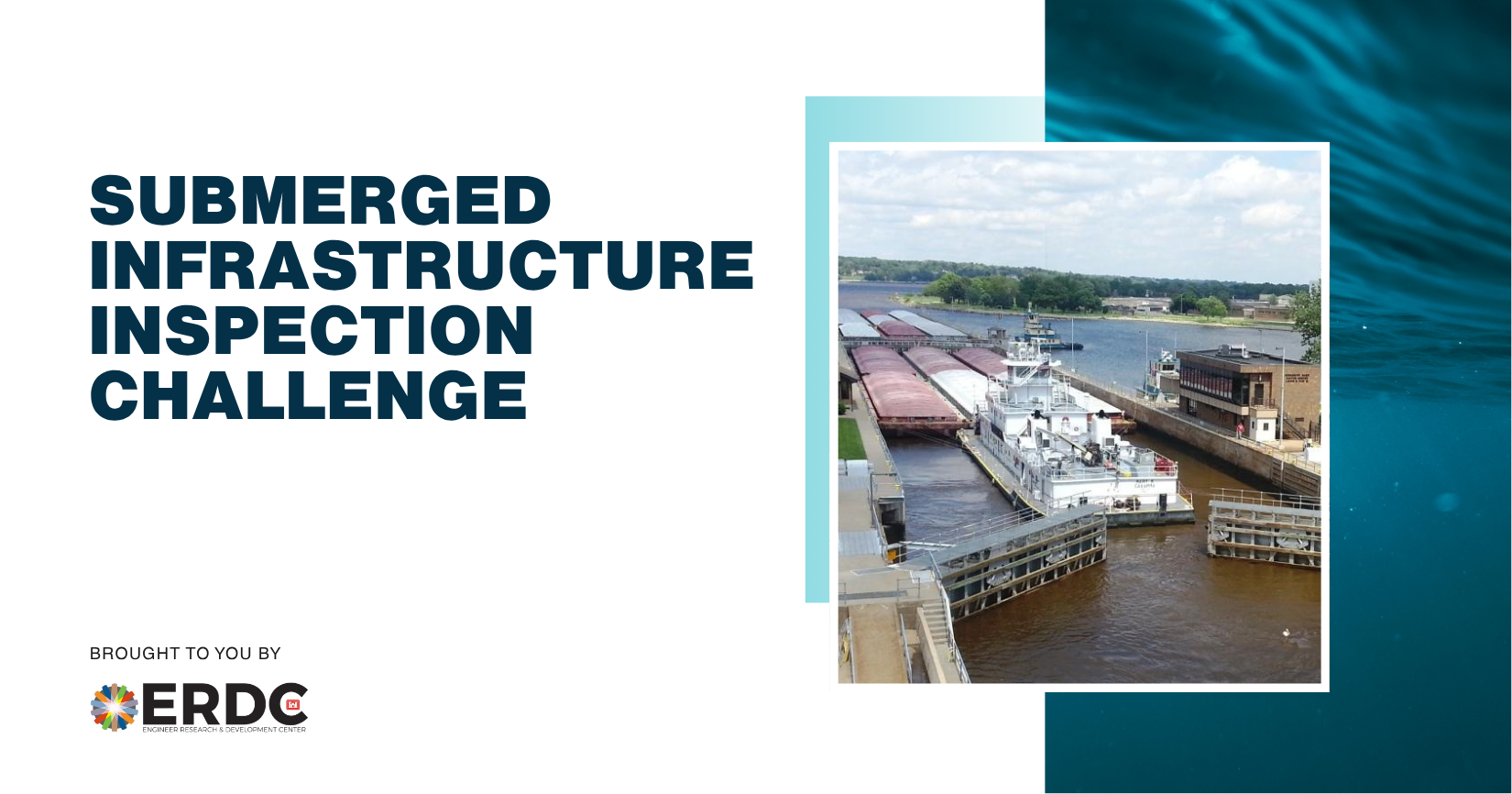
This challenge is to identify proven underwater inspection technologies that can provide actionable, high-resolution information on submerged lock infrastructure without requiring dewatering.
Today, many of the most critical lock components are underwater, and understanding their condition often requires draining the lock which is a costly process that disrupts navigation and commercial activity. This challenge is designed to help surface mature, market-ready solutions that can improve visibility into underwater concrete and steel components, including lock walls, floors, sills, miter gates, and valves, while the infrastructure remains in service.
The U.S. Army Corps of Engineers (USACE) Engineer Research and Development Center (ERDC) is seeking mature, field-ready underwater inspection and imaging technologies capable of generating high-resolution, actionable data on submerged lock infrastructure. Submitted solutions must also include an assessment capability sufficient to identify likely defects, interpret infrastructure conditions, and support maintenance decision-making — all without requiring dewatering.
Current inspection methods and in-water visibility limitations hinder the timely identification of cracks, defects, wear, and other conditions critical to maintenance planning and infrastructure readiness. Through this challenge, USACE seeks proven solutions that can operate in real-world lock environments and deliver reliable inspection data to enable faster, safer, and more informed decisions regarding submerged infrastructure without disrupting lock traffic operations. Eligible solutions may include imaging-based inspection technologies as well as non-image-based approaches capable of detecting cracks, defects, and structural wear.
The U.S. Army Engineer Resarch and Development Center (ERDC) is seeking mature, field-ready technologies that can assess submerged lock infrastructure without dewatering, and that can generate high-resolution, actionable information on underwater concrete and steel components, including lock walls, floors, sills, miter gates, and valves. The challenge is structured to evaluate established technologies that can help engineers and maintenance specialists identify cracks and other issues while infrastructure remains submerged and in service.
The challenge will take place in two phases. In Phase 1, participants submit applications describing their solution and its capabilities. Up to eight finalists may be selected to advance. In Phase 2, finalists will participate in live demonstrations at a designated lock site in July 2026, immediately ahead of a scheduled dewatering event, allowing USACE to compare demonstrated performance with actual conditions. The goal is to surface credible, market-ready technologies that can operate in real-world lock conditions and provide inspection data that supports a shift from reactive maintenance to more informed, proactive planning.
This challenge is best suited for established U.S.-eligible technology providers with mature underwater inspection capabilities [TRL8-9] and proven, field-ready solutions. Strong candidates may include companies and teams working in underwater imaging, robotics, sensing, marine operations, and related data-collection technologies that can assess submerged infrastructure without dewatering. USACE is especially interested in mature solutions that can deliver useful inspection data in real-world lock environments.
Participants should be prepared to describe their technology clearly, demonstrate operational readiness, and, if selected as finalists, support a live demonstration in July 2026. The challenge is limited to U.S. participants, and eligibility requirements will apply. Companies with proprietary methods are encouraged to participate, as IP protections are built into the challenge agreements. Participants retain ownership of their intellectual property; the challenge requires a participant agreement stating that IP remains with the participant, while the Government may later choose to negotiate a license to use a resulting solution.
The U.S. Army Engineer Research and Development Center (ERDC) is the research and development arm of the U.S. Army Corps of Engineers, supporting civil works, water resources, infrastructure, environmental, and geospatial missions through applied science and engineering. ERDC’s mission is to deliver engineering solutions that help secure the Nation, energize the economy, and reduce disaster risk. Within this challenge, ERDC serves as the technical project owner to ensure that the challenge outputs are useful for real-world lock maintenance and infrastructure decision-making.
The U.S. Army Corps of Engineers (USACE) manages and maintains more than 200 navigation locks across the United States. Many of the most critical and costly lock components are located underwater, including concrete and steel elements such as lock walls, floors, sills, miter gates, and valves. Assessing the condition of these submerged components is difficult, yet essential to keeping navigation infrastructure safe, reliable, and operational.
Today, identifying necessary underwater repairs often requires a lock to be drained, or “dewatered.” Dewatering is expensive, time-consuming, and disruptive. It removes a lock from commercial service, interrupts navigation, affects stakeholders who rely on waterway access, and requires significant financial and operational resources. Considering those constraints, USACE has a strong interest in technologies that can improve visibility into underwater infrastructure before a lock is drained.
This challenge intends to help close that gap by seeking established technology providers with proven, market-ready solutions that can assess submerged lock infrastructure without dewatering. The goal is to identify mature underwater inspection and data-collection technologies capable of generating high-resolution, actionable information that engineers and maintenance specialists can use to detect cracks and other issues, prioritize repairs, and better understand infrastructure conditions while the lock remains submerged and in service.
The challenge is also designed to support a broader shift in maintenance strategy, moving from reactive maintenance toward more informed, proactive planning by gathering reliable evidence ahead of scheduled maintenance events, supporting future maintenance planning.
The challenge uses a two-phase structure.
In Phase 1, participants submit applications describing their solution and its capabilities. Up to eight finalists may be selected to advance.
In Phase 2, finalists will demonstrate their technology at a designated lock site in July 2026, immediately ahead of a scheduled August 2026 dewatering event, where the results of the Demonstration Event will be evaluated against a visual inspection.
***Note: Ownership and use of intellectual property arising from this competition remains with you. Submission components only support the Challenge Judges' technical evaluation of your solution.
Submissions will be evaluated per the challenge Judge Criteria. Following the Judge evaluation period, up to 8 Finalists will receive a $10,000 prize each and be invited to the in-person Demonstration Event.
The Grand Prize winner of the Demonstration Event will receive a $150,000 prize.
$10,000 each for up to 8 Finalists.
$150,000 for the Grand Prize.
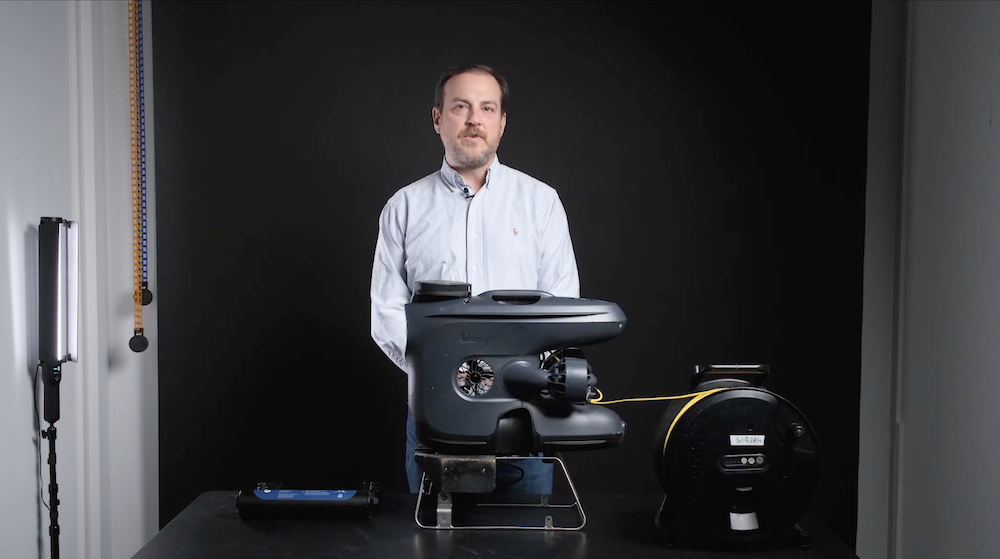
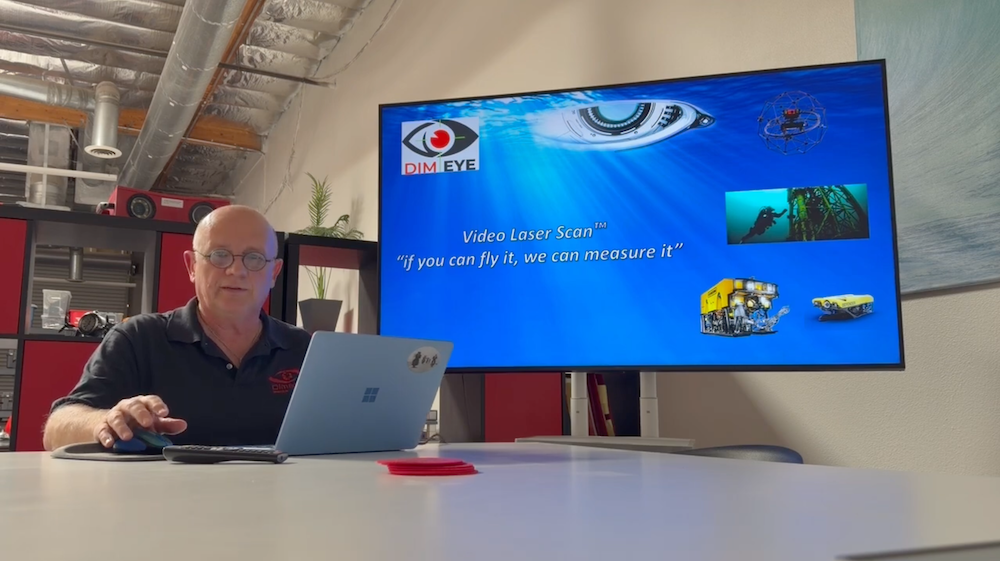
Meet the finalists of the challenge!
What Phase 1 participants should keep in mind
Phase 1 is intended to identify mature, deployable solutions that can address the real inspection needs of submerged concrete and steel lock infrastructure. Strong submissions should show clear technical applicability to underwater lock conditions, including turbidity, low visibility, and confined geometry, and explain how the proposed outputs will help identify, locate, and characterize defects. Participants should also demonstrate organizational capability, relevant experience, and a realistic path to a self-sufficient July 2026 field demonstration.
Keys:
Technical fit, Fielded Readiness, Self-sufficient Deployment, Reporting Usefulness, Operational Efficiency, and Low Site Disruption.
Foundational ASPR Resources
ASPR Mission: ASPR strengthens national security by preparing for, responding to, and recovering from disasters and public health emergencies.
ASPR Vision: A resilient nation where every community is prepared for disasters and public health emergencies while supported by a secure domestic medical supply chain, gold standard science, and a rapid, accountable federal response that protects lives and strengthens national security.
Current ASPR Response Operations
Authorities. Policies, and Executive Orders
Public Health Services Act (PHSA) and certain helpful identified sections
Public Readiness and Emergency Preparedness (PREP) Act
Legal Authorities, Policies, and Strategies
Pandemic and All Hazards Preparedness Act
DS-MRN Technical Resources
Additional background on pandemic responses leveraging additive manufacturing from Veteran's Affairs (VA), National Institutes of Health (NIH), U.S. Food and Drug Administration (FDA), and America Makes, as well as individual perspectives.
Conceptual Framework for a National Digital Stockpile and Manufacturing Response Network (DS-MRN) (Conceptual Framework Link)
Trust in the Time of Covid-19: 3D Printing and Additive Manufacturing (3DP/AM) as a Solution to Supply ChainGaps (DOI:10.1056/CAT.21.0321) and
How VA Innovative Partnerships and Health Care Systems Can Respond to National Needs: NOSE Trial Example (DOI: 10.12788/fp.0418)
Securing Technology and Equipment (Operational Technology used for Medical Product Manufacturing) (Link)
Examples of personal protective equipment (PPE) and device designs from NIH/National Institute of Allergy and Infectious Diseases (NIAID), FDA, VA, and America Makes during the COVID-19 public health emergency.
https://3d.nih.gov/collections/covid-19-response
Example of FDA Emergency Use and Enforcement policy during the COVID-19 PHE for a product that could be eligible for inclusion in the DS-MRN.
Minimum Cybersecurity Standards
Additional Standards to be considered for the success of the DS-MRN
Participants are allowed to use the open source tools provided by NGA’s GitHub site in addition to other commercially known open source tools. Participants are also encouraged to use their own proprietary solutions to develop creative and efficient products. If you are representing a company, your company’s proprietary software assets are also allowed to be used with the appropriate permission within your organization. Please reference the Terms and Conditions data to confirm that all IP rights remain with the participant and/or the organization they are representing.All participants must agree to the terms and conditions.
Participants are allowed to use the open source tools provided by NGA’s GitHub site in addition to other commercially known open source tools. Participants are also encouraged to use their own proprietary solutions to develop creative and efficient products. If you are representing a company, your company’s proprietary software assets are also allowed to be used with the appropriate permission within your organization. Please reference the Terms and Conditions data to confirm that all IP rights remain with the participant and/or the organization they are representing.All participants must agree to the terms and conditions.
Participants are allowed to use the open source tools provided by NGA’s GitHub site in addition to other commercially known open source tools. Participants are also encouraged to use their own proprietary solutions to develop creative and efficient products. If you are representing a company, your company’s proprietary software assets are also allowed to be used with the appropriate permission within your organization. Please reference the Terms and Conditions data to confirm that all IP rights remain with the participant and/or the organization they are representing.All participants must agree to the terms and conditions.
Participants are allowed to use the open source tools provided by NGA’s GitHub site in addition to other commercially known open source tools. Participants are also encouraged to use their own proprietary solutions to develop creative and efficient products. If you are representing a company, your company’s proprietary software assets are also allowed to be used with the appropriate permission within your organization. Please reference the Terms and Conditions data to confirm that all IP rights remain with the participant and/or the organization they are representing.All participants must agree to the terms and conditions.
Participants are allowed to use the open source tools provided by NGA’s GitHub site in addition to other commercially known open source tools. Participants are also encouraged to use their own proprietary solutions to develop creative and efficient products. If you are representing a company, your company’s proprietary software assets are also allowed to be used with the appropriate permission within your organization. Please reference the Terms and Conditions data to confirm that all IP rights remain with the participant and/or the organization they are representing. All participants must agree to the Terms and Conditions listed.
Coral Gables' smart city library features implementation guides, digital platforms, public datasets, research findings, and case studies documenting their technology deployment and urban innovation methods. Click here to access the Coral Gables Smart City Digital Library.
Everything you need to know about the challenge

Look for relevant announcements, important tips, share resources, connect with teams and other mentors and event staff. New to Slack? Read: Getting started for new Slack users.

Officially register to participate in the challenge, connect with the community, and receive important updates throughout the competition.
We empower entrepreneurs to develop the necessary skills demanded by rapidly-changing markets to identify potential funding sources, establish enduring businesses, and design solutions for the greater good.
.png)